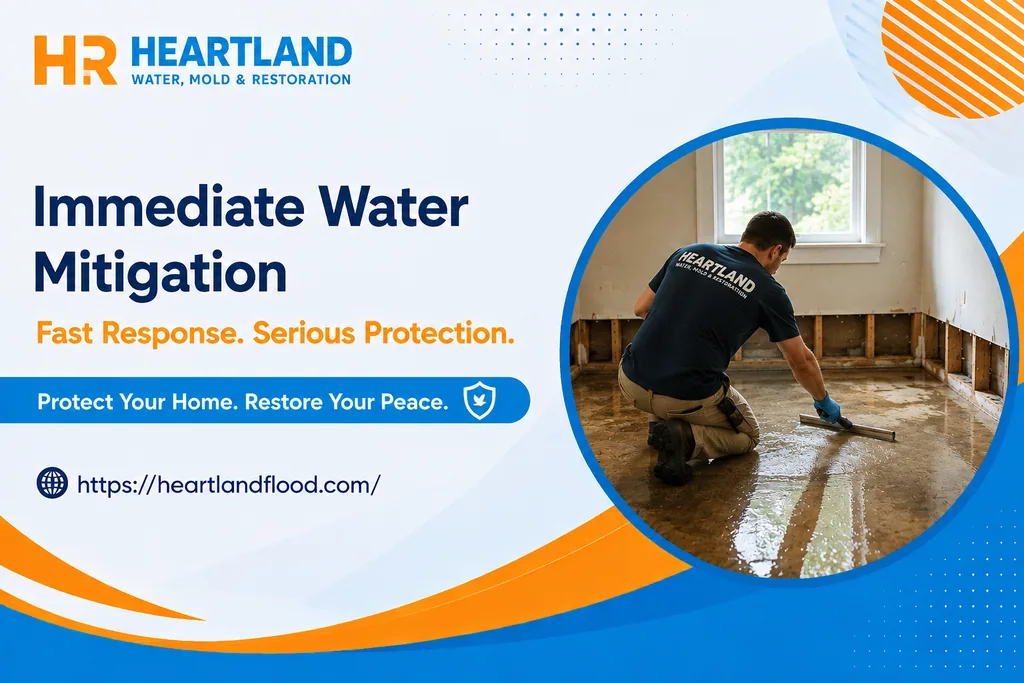
When water suddenly enters your home, panic often sets in. A pipe bursts, a storm overwhelms your drainage, or a washing machine leaks across the floor. In those moments, homeowners ask: What is the very first thing I should do? The answer is clear - begin emergency water mitigation immediately. Acting quickly does not just reduce damage; it can save thousands of dollars and protect your family's health.
Understanding Emergency Water Mitigation
Emergency water mitigation is the immediate response to water intrusion. It is not about rebuilding or cosmetic fixes - it is about stopping damage before it spreads. Homeowners often confuse mitigation with restoration, but they are different. Mitigation is the urgent step: removing water, drying spaces, and preventing mold. Restoration comes later, once the home is safe and stable again.
When you call for emergency water damage repair, professionals arrive with equipment designed to handle large volumes of water quickly. Pumps, vacuums, and dehumidifiers are deployed to stop the damage in its tracks. Without this step, even minor leaks can escalate into major structural problems within days.
Why Speed Is Everything in Water Damage
Water does not wait. Within minutes, carpets soak through, drywall begins to weaken, and furniture absorbs moisture. Within hours, mold spores can start to grow. By the time a day passes, the damage is often severe.
That is why homeowners in Missouri and Kansas search for emergency water damage repair KC - because waiting until morning can mean the difference between a quick cleanup and a full-scale renovation. Speed is the single most important factor in protecting your property after water intrusion.
If your home has experienced flooding caused by a storm, understanding the five emergency flood repair steps can help you know exactly what to do before the restoration team arrives.
Recognizing the Early Signs of Water Damage
Not all water damage begins with a dramatic flood. Sometimes it starts quietly. A damp spot on the ceiling, a musty odor in the basement, or warped flooring can all signal hidden water problems developing inside walls and subfloors.
If you notice bubbling paint, unexplained stains, or a sudden increase in your water bill, it is time to investigate immediately. Early action prevents small leaks from becoming disasters.
Safety First When Water Enters Your Home
Before tackling water, think about safety. Electricity and water are a dangerous combination. Always shut off power in affected areas before entering. If the water looks contaminated - dark, murky, or foul-smelling - avoid contact. Floodwater often carries sewage, chemicals, or bacteria.
Families often ask: Is it safe to go into my basement if it is flooded? The answer is: only if the power is confirmed off and the water is safe. Otherwise, wait for professionals.
Stopping the Source Is the Foundation of Mitigation
Mitigation begins with identifying the cause of water entry and stopping it. Broken pipes require shutting off the main valve. Storm flooding demands checking sump pumps and drainage systems. Appliance leaks should be disconnected immediately.
Stopping the source is the foundation of water damage remediation. Without addressing the cause, all cleanup efforts are wasted because new water continues entering the property.
Professional Extraction and Drying Equipment
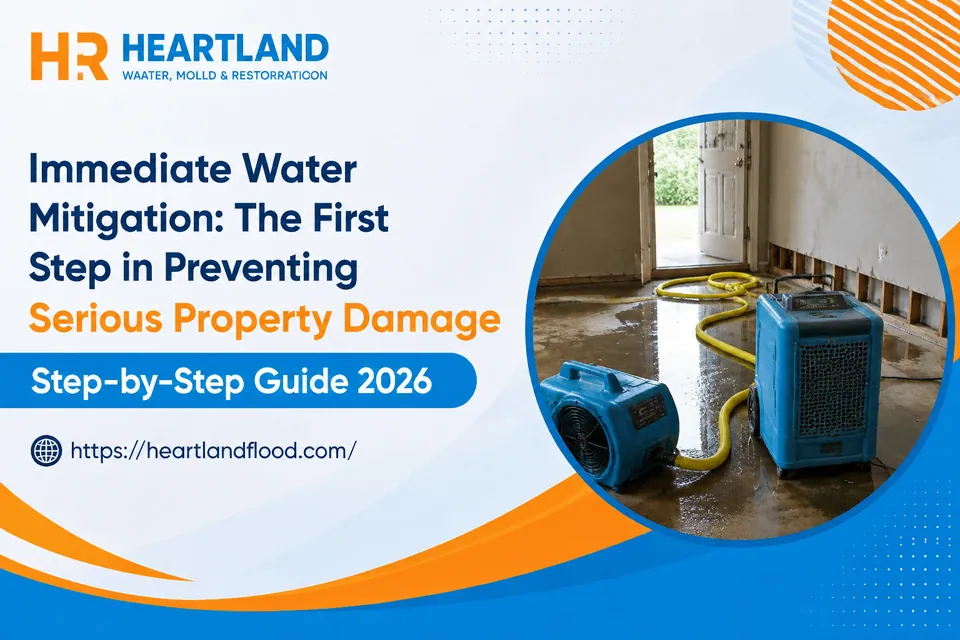
Once the source is controlled, water must be removed professionally. Technicians use industrial pumps to clear standing water, followed by moisture meters to detect hidden dampness behind walls and beneath flooring.
Drying is equally important. High-powered air movers circulate air while dehumidifiers reduce moisture levels throughout the structure. This process typically takes 24 to 72 hours depending on severity. Natural airflow from open windows is rarely enough - professional drying ensures mold does not take hold.
After water extraction and initial drying, proper structural drying removes hidden moisture from inside walls, framing, and subfloors - the step that prevents mold, wood rot, and long-term structural problems.
Cleaning, Sanitization, and Restoration
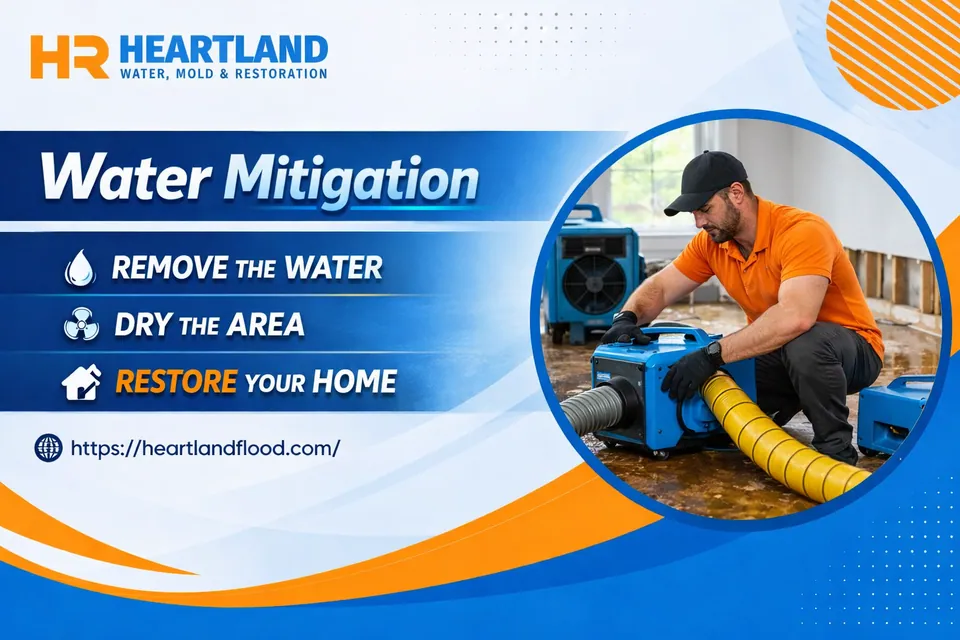
Floodwater is not just water. It often carries contaminants that can harm your family. Professional cleaning includes antimicrobial treatments, odor removal, and specialized care for carpets and upholstery affected by water exposure.
After mitigation, restoration brings your home back to normal. This may include replacing drywall, repairing flooring, repainting, and refinishing surfaces. Most professional restoration projects take a few days to a week depending on the extent of damage.
Preventing Future Water Damage
The final step in any mitigation project is prevention. Regular plumbing inspections, sump pump maintenance, and sealing basement walls can all reduce risk. Monitoring appliances for leaks and installing backup power for sump pumps are smart investments that protect the home during the next weather event.
At Heartland Restoration, restoration crews respond quickly to water damage situations across Kansas City. Call (913) 273-3686 for 24/7 emergency response.
Frequently Asked Questions About Emergency Water Mitigation
How fast should I call for emergency water damage repair?
Immediately - within the first hour to minimize damage and prevent mold growth.
What is the difference between mitigation and restoration?
Mitigation stops damage by removing water and drying the structure. Restoration repairs and rebuilds materials after the home is confirmed dry and safe.
How long does emergency water damage repair take?
Extraction and drying typically takes 2 to 3 days. Full restoration time depends on the severity of damage to structural materials.
Will insurance cover water damage restoration services?
Most policies cover sudden damage like burst pipes, but not gradual leaks. Document everything before cleanup begins and contact your insurer immediately.
Can I handle water damage cleanup myself?
Small leaks, yes. Major flooding requires professional extraction equipment and moisture monitoring to find and remove hidden dampness.
What is the biggest risk if water damage mitigation is delayed?
Mold growth and structural weakening - both increase costs dramatically and can make materials unsalvageable within 24 to 48 hours.
What is the best way to prevent future water damage?
Regular inspections, sump pump maintenance, sealing vulnerable basement areas, and installing water detection alarms near drains and appliances.

Comments
No comments yet.