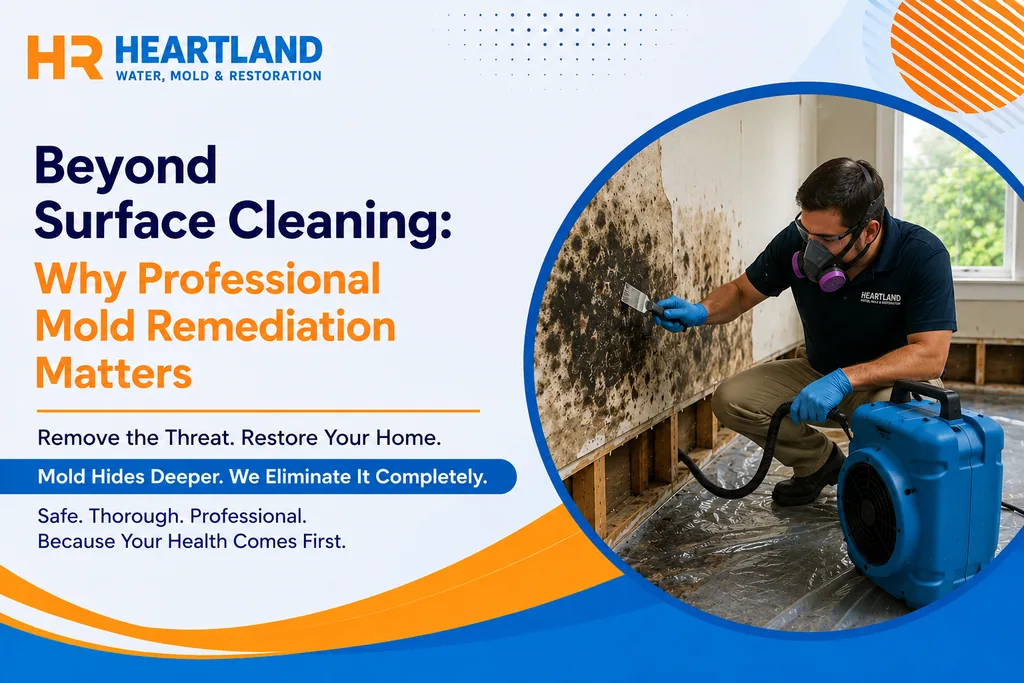
Mold is one of those problems that homeowners often underestimate. At first, it looks like a small patch on the wall or a faint stain on the ceiling. Many people think a quick scrub with bleach or a coat of paint will solve it. But mold is rarely just a surface issue. It thrives in hidden corners, spreads through spores, and can compromise both your property and your health. That is why professional mold remediation is more than cleaning - it is a complete process of detection, removal, and prevention.
The Hidden Threat Behind Walls
Mold does not stay where you can see it. Once moisture enters your home, spores spread quickly into drywall, insulation, carpets, and even HVAC systems. What looks like a small spot may actually be the tip of a much larger colony hidden behind walls or under flooring.
Homeowners often ask: Why does mold keep coming back after I clean it? The answer is simple - surface cleaning does not reach the root of the problem. Mold removal services do not just wipe away visible growth; they investigate the source, test air quality, and eliminate colonies hidden deep inside the structure.
Mold growth is especially common after flooding. Understanding how seasonal storms increase residential flood risk can help homeowners recognize when conditions favor mold development and act before it spreads inside walls.
Health Risks You Cannot Ignore
Mold is not just unsightly - it is a health hazard. Exposure can trigger allergies, asthma attacks, and respiratory infections. Children, elderly family members, and those with weakened immune systems are especially vulnerable.
Certain types such as black mold are particularly urgent because of the toxins they release. Professional remediation ensures spores are eliminated, reducing the risk of ongoing exposure and protecting your family's health long-term.
Why DIY Cleaning Always Falls Short
Scrubbing mold with household cleaners may remove visible stains, but it does not address contamination inside walls or air ducts. In fact, disturbing mold without proper containment can release more spores into the air, spreading the problem further throughout the home.
Homeowners often ask: Is bleach enough? Bleach may kill surface mold, but it does not penetrate porous materials like wood or drywall. That is why professional mold cleanup is essential - it goes beyond what any DIY method can achieve.
The Professional Mold Remediation Process
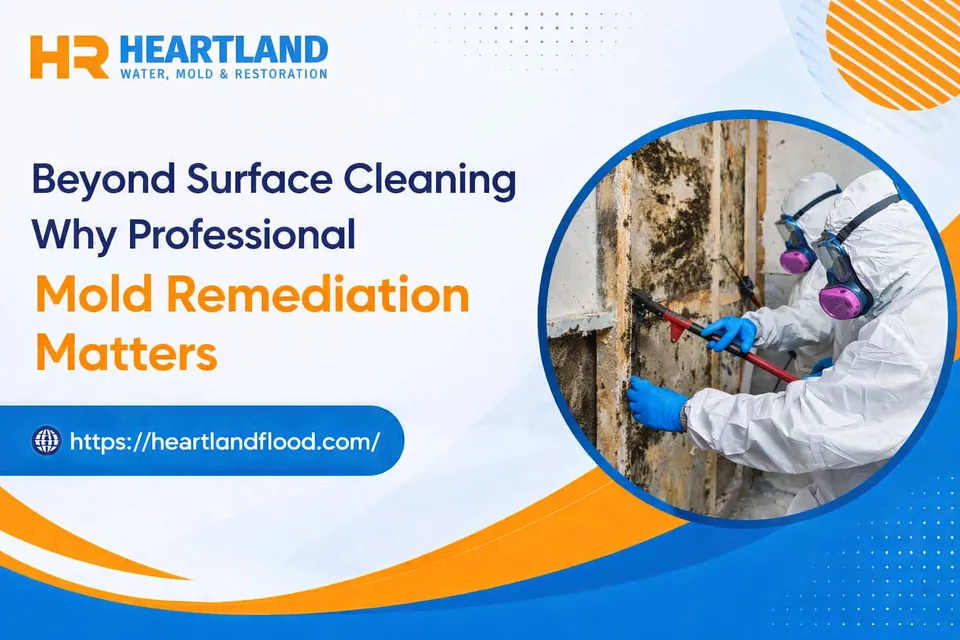
Professional remediation is a structured, multi-step process.
Inspection and Testing
Specialists use moisture meters and infrared cameras to detect hidden colonies behind walls, under flooring, and inside HVAC systems without unnecessary demolition.
Containment
Affected areas are sealed off with containment barriers to prevent spores from spreading to unaffected parts of the home during remediation.
Removal and Disposal
This is not just cleaning - it includes safely removing and properly disposing of contaminated materials such as drywall, insulation, and flooring that cannot be restored.
Air Filtration and Sanitization
HEPA air scrubbers run throughout the project to capture airborne spores. Antimicrobial treatments are applied to surfaces to prevent regrowth.
This complete process restores your home to a healthy environment that mold cannot easily reclaim.
Protecting Property Value
Mold damage lowers property value. Buyers are wary of homes with a history of mold, and home inspectors will flag it during sales. Professional remediation provides documentation that the issue was handled correctly, protecting your investment and keeping the path to sale clear.
Long-Term Prevention After Remediation
The final step in remediation is identifying the moisture source that allowed mold to grow in the first place. Whether it is a leaking pipe, poor ventilation, or storm damage, fixing the cause ensures mold does not return after remediation.
Understanding that proper structural drying after water damage prevents mold from starting is one of the most important things a homeowner can know. Prevention strategies include waterproofing basements, improving airflow, and scheduling regular inspections.
The Cost of Delaying Mold Treatment
Waiting to address mold only makes the problem worse. What starts as a small patch can spread across entire rooms within weeks, requiring extensive demolition and reconstruction. The longer you wait, the higher the cost and the more materials that cannot be saved.
At Heartland Restoration, IICRC-certified technicians handle mold remediation projects of all sizes across the Kansas City metro. Call (913) 273-3686 to schedule an inspection.
Frequently Asked Questions About Professional Mold Remediation
Why is surface cleaning not enough for mold?
Because mold grows inside walls, insulation, and porous materials - not just on the surface. Cleaning visible mold leaves colonies hidden inside the structure.
What health problems can mold cause?
Allergies, asthma flare-ups, and respiratory infections are common. Those with weakened immune systems face the greatest risk.
How do professionals detect hidden mold?
They use moisture meters, infrared cameras, and air quality testing to find colonies without unnecessary demolition.
Will mold come back after professional remediation?
Not if the moisture source is fixed. Prevention is always part of the remediation process for any reputable company.
How long does professional mold remediation take?
Most projects take 2 to 5 days depending on the size of the contamination and what materials need to be removed.
Is mold remediation covered by insurance?
Sometimes, if the mold is caused by a sudden covered event like storm damage or a burst pipe. Long-term moisture issues are often excluded.
Can I stay in my home during remediation?
Often yes, but heavily contaminated areas may require temporary relocation for health and safety during the containment and removal phases.
How is mold removed from an attic or crawl space?
In both spaces, remediation contains the area, HEPA filters the air, removes contaminated material, and fixes the moisture source. Attics usually trace to a roof leak or poor ventilation; crawl spaces to ground moisture and no vapor barrier. Without controlling humidity, mold returns regardless of how well the surface was cleaned.
What does professional black mold removal include?
Professional black mold removal seals off the work area, runs negative-air HEPA scrubbers, physically removes porous contaminated materials, treats salvageable surfaces, and dries the structure to a verified moisture level. The point is not just erasing the stain but removing the growth and eliminating the moisture that caused it, so it does not come back.

Comments
No comments yet.